It is essential for both property owners and tenants to understand that mold prevention is a shared responsibility. While owners are responsible for the structural integrity of the building, tenants play a vital role in managing the daily environment to prevent moisture buildup.
It is essential for both property owners and tenants to understand that mold prevention is a shared responsibility. While owners are responsible for the structural integrity of the building, tenants play a vital role in managing the daily environment to prevent moisture buildup.
Comprehensive Guide to Moisture Control and Mold Prevention
Mold spores are naturally occurring in almost every environment. While it is impossible to eliminate all spores, mold only becomes a problem when it finds a moisture source. Effective mold prevention relies on three pillars: Moisture Control, Ventilation, and Communication.
1. Climate Control and Ventilation
Proper airflow is the most effective way to prevent condensation on interior surfaces.
- Maintain Temperature: To prevent "cold spots" where condensation forms, keep the interior temperature between 50°F and 75°F. Avoid turning the heat off entirely during winter months, as cold walls attract moisture.
- Utilize Exhaust Fans: Always run bathroom fans during and for at least 20 minutes after showering. Use kitchen exhaust fans while cooking to vent steam.
- Promote Airflow: Keep interior doors open and use floor fans to circulate air into stagnant areas like corners and closets.
- Manage Humidity: According to the EPA, indoor relative humidity should ideally be kept between 30% and 50%. If windows "sweat" or feel damp, use a dehumidifier to remove excess moisture from the air.
2. Strategic Space Management
Air must be able to reach your walls to keep them dry.
- Furniture Placement: Maintain a gap of at least 2–4 inches between furniture (beds, couches, dressers) and exterior walls.
- Closet Organization: Avoid overpacking closets. Air must be able to circulate around clothing and stored items to prevent "pocketed" moisture.
- Indoor Plants and Aquariums: Limit the number of houseplants, as they release moisture into the air. Ensure fish tanks are covered to reduce evaporation.
3. Cleaning and Maintenance
- Prompt Action: If you notice "fogging" or water droplets on windows or walls, wipe them dry immediately.
- Routine Cleaning: Keep surfaces free of dust and organic debris, which can serve as food for mold.
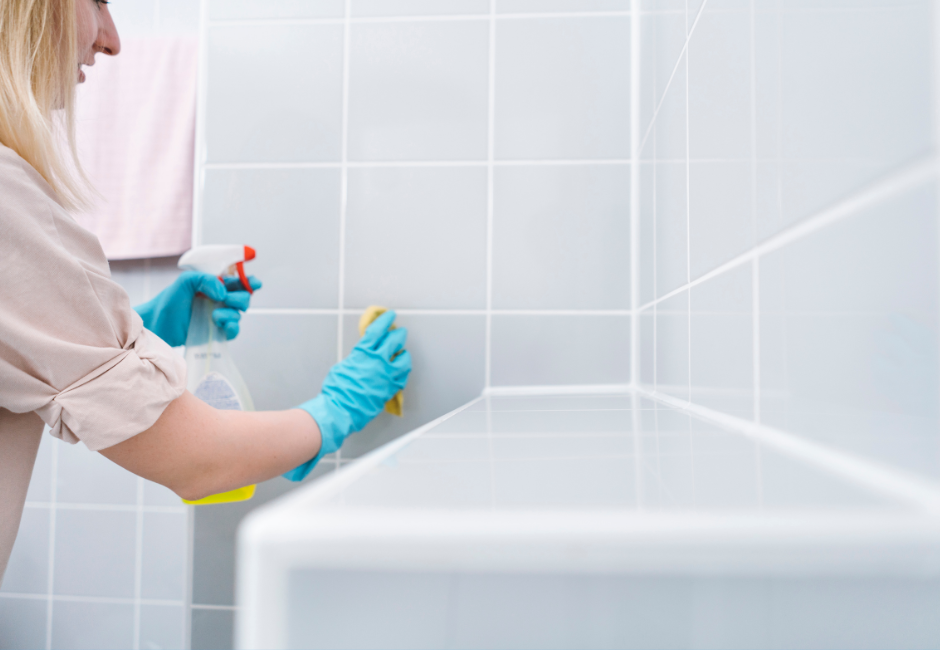
- Safe Remediation: If small amounts of mildew appear on non-porous surfaces (like tile or tubs), clean them immediately using a commercial cleaner or a solution of one cup of bleach to one gallon of water, as recommended by the EPA. Always wear gloves and ensure the area is well-ventilated during cleaning.
4. Mandatory Reporting (The "Duty to Notify")
Structural leaks are the primary cause of serious mold issues. Per your rental agreement, tenants must immediately report:
- Plumbing Issues: Dripping faucets, "sweating" pipes, or leaking valves under sinks.
- Structural Leaks: Evidence of water intrusion from the roof, windows, or siding.
- Mechanical Failures: Inoperative exhaust fans or heating systems.
Note: Mold can begin to grow on damp surfaces within 24 to 48 hours. Timely reporting is essential to protect both your health and your personal property.
Sources for Further Reading