Why Air Filtration Matters
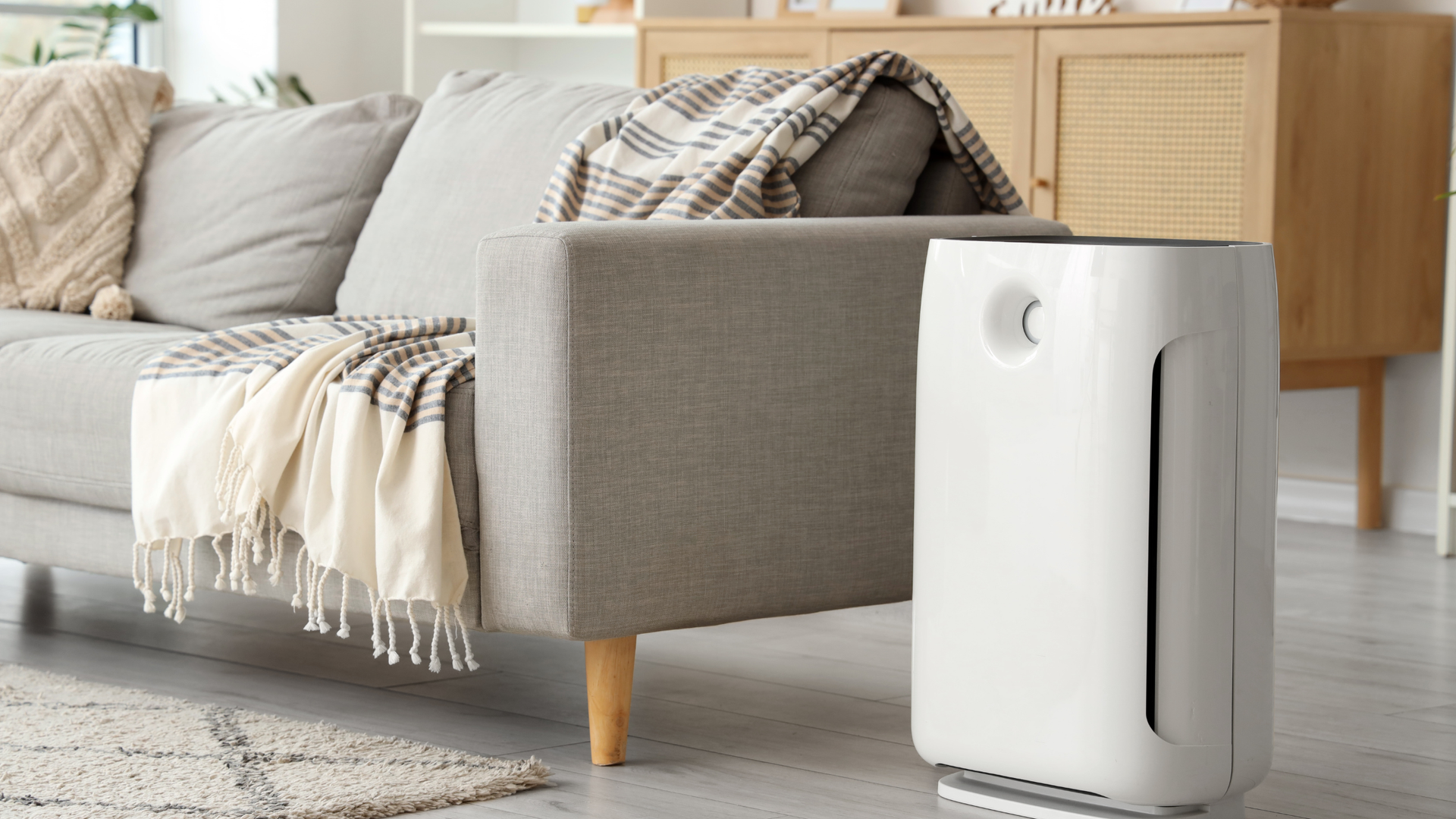
Living in Cutten means enjoying the beauty of the Pacific Northwest, but it also means dealing with unique indoor air quality (IAQ) challenges—from seasonal pollen to dampness-induced mold and occasional wildfire smoke. Improving the air in your rental isn't just about "freshening up"; it’s a vital move for your long-term health.
According to the EPA, Americans spend approximately 90% of their time indoors, where concentrations of some pollutants are often 2 to 5 times higher than typical outdoor concentrations. To help you breathe easier, here is a guide to selecting the right air filtration system for your home.
Why Air Filtration Matters
A high-quality air purification system does more than just move air around. When chosen correctly, it can mitigate:
- Respiratory Triggers: Removes pet dander, dust mites, and pollen.
- Pathogens: High-end models can neutralize certain bacteria and viruses.
- Odor & Smoke: Essential for removing cooking smells or woodsmoke.
For the 25 million Americans living with asthma, the Asthma and Allergy Foundation of America (AAFA) notes that air cleaners are a critical component of a "multi-faceted approach" to reducing triggers.
Understanding Your Filter Options
Not all filters are created equal. Depending on your specific needs in Cutten, you may want to look into these four common types:
1. HEPA Filters (High-Efficiency Particulate Air)
The gold standard for renters. To be labeled "HEPA," a filter must be able to remove at least 99.97% of dust, pollen, mold, bacteria, and any airborne particles with a size of 0.3 microns.
- Best for: Allergies, asthma, and pet owners.
2. Activated Carbon Filters
Unlike HEPA filters which catch solids, carbon filters use a bed of activated charcoal to trap liquids and gases.
- Best for: Neutralizing smoke, volatile organic compounds (VOCs) from cleaning supplies, and kitchen odors.
3. Electrostatic & Ionizer Filters
These units use an electric charge to make particles stick to internal plates or become heavy enough to fall out of the air.
- Note: Use caution with ionizers; some can produce small amounts of ozone, which the EPA warns can be a lung irritant.
4. UV Light Filters
These use short-wavelength ultraviolet light to inactivate airborne pathogens like mold spores and viruses.
- Best for: Adding an extra layer of protection against biological contaminants, though they do not remove physical dust or dander.
The True Cost of Clean Air
While quality air purifiers generally range from $200 to $900, the initial price tag is only half the story.
- Maintenance: Filters must be replaced every 3 to 12 months. There are some models where you can clean and maintain the filters the unit comes with.
- Energy: Look for Energy Star certified models, which are 40% more energy-efficient than standard models, potentially saving you a significant amount on your monthly utility bill.
Expert Guidance for Cutten Residents
Investing in air quality is the best way to ensure your rental home remains a sanctuary. At Real Property Management Humboldt, we understand the specific needs of Cutten properties and can help you navigate the best solutions for your home.
Ready to upgrade your living environment?
Email us at Support@RealPM.com or call us at 707-444-3835 to learn how our property management team can assist you.
Sources:
- EPA: "What is a HEPA filter?" and "Indoor Air Quality Trends Report."
- Asthma and Allergy Foundation of America (AAFA): "Air Cleaners and Filters."
- Energy Star: "Air Purifiers (Cleaners) for Consumers."