
Essential Smoke Alarm Safety: 5 Tips to Protect Your Home
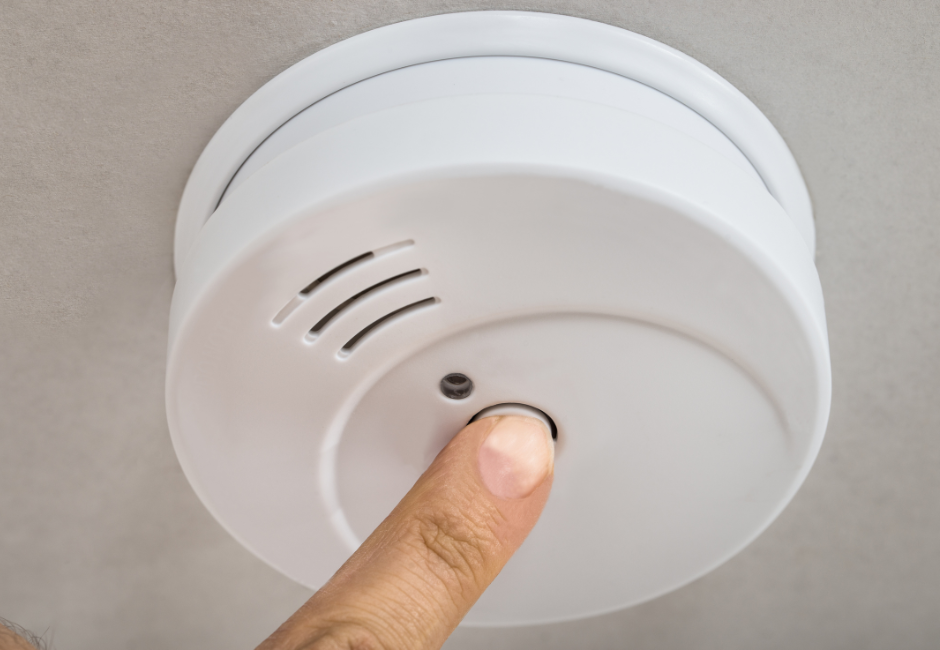
Smoke alarms are the first line of defense in a home fire, yet their importance is often underestimated. According to the National Fire Protection Association (NFPA), three out of five home fire deaths occur in properties without working smoke alarms. Furthermore, the risk of dying in a residential fire is reduced by 50% simply by having functional alarms installed.
Below are five professional guidelines to ensure your home and family remain protected.
1. Strategic Installation for Maximum Coverage
Fire is unpredictable and can spread rapidly. To ensure early detection, the NFPA and the U.S. Fire Administration (USFA) recommend installing smoke alarms in the following locations:
- Every Level: Ensure there is at least one alarm on every story of the home, including the basement.
- Sleeping Areas: Install alarms inside every bedroom and outside every separate sleeping area.
- Interconnection: For the best protection, use interconnected alarms; when one sounds, they all sound.
2. Precise Placement to Minimize Interference
Proper positioning prevents "nuisance alarms" and ensures the sensors function correctly:
- Ceiling Mounting: Place alarms in the center of the ceiling. If wall-mounting is necessary, keep the alarm within 12 inches of the ceiling but at least 3 feet away from corners.
- Airflow Considerations: Avoid placing units near window drafts, ceiling fans, or HVAC ducts, as moving air can blow smoke away from the sensor.
- Kitchen/Bathroom Buffer: To prevent false triggers from steam or cooking, install alarms at least 10 to 20 feet away from appliances like stoves and showers.
3. Rigorous Maintenance and Testing
A smoke alarm is only effective if it is operational. Follow this maintenance schedule to ensure reliability:
- Monthly Testing: Press the "test" button on every unit once a month.
- Battery Management: If an alarm "chirps," replace the battery immediately.
- The 10-Year Rule: All smoke alarms (including hardwired and 10-year sealed battery models) must be replaced 10 years from the date of manufacture. Sensors degrade over time and become less sensitive.
4. Selecting the Right Technology
Modern technology offers various options tailored to different household needs:
- Ionization vs. Photoelectric: Ionization alarms are generally more responsive to flaming fires, while photoelectric alarms are more responsive to smoldering fires. Dual-sensor alarms combine both technologies for comprehensive protection.
- 10-Year Sealed Battery Alarms: These units eliminate the need for battery changes for the life of the alarm, making them a low-maintenance, "worry-free" option.
- Hardwired Alarms: These are integrated into the home's electrical system and usually include a battery backup to maintain protection during power outages.
5. Establish and Practice an Emergency Escape Plan
An alarm is a signal for action. When the alarm sounds, every second counts:
- Two Ways Out: Identify two exits from every room and ensure they are free of debris.
- The "Low Crawl": Since smoke and heat rise, practice staying low to the floor where the air is cleaner and cooler.
- Designated Meeting Point: Establish a safe location outside (e.g., a specific tree or mailbox) where all family members can gather for a headcount.
- Never Re-enter: Once outside, stay outside. Call 911 or the local fire department only after you have safely exited the building.
Pro-Tip: If an alarm sounds during cooking, never remove the battery. Instead, use the "hush" button, open a window, or wave a towel near the unit to clear the air.
Updated References for 2026
- National Fire Protection Association (NFPA): Smoke Alarm Research and Statistics
- U.S. Fire Administration (USFA): Smoke Alarm Safety Outreach Materials
- Consumer Product Safety Commission (CPSC): Fire Safety Information Center
- First Alert: Comprehensive Guide to Smoke & Carbon Monoxide Alarms
For more property management safety tips and rental resources, visit our blog at Rentor.com/Blog.