Rental property inspections can be a touchy subject in California. Tenants are entitled to the quiet enjoyment of their home, so you cannot simply show up and expect to take a look around. Your residents don’t have to agree to an inspection, and you really only have the right to enter when you’re looking for maintenance problems or responding to an emergency.
You don’t want to invade the privacy of your tenants, but you do want to protect the condition of your property and make sure that it’s clean, habitable, and well-maintained.
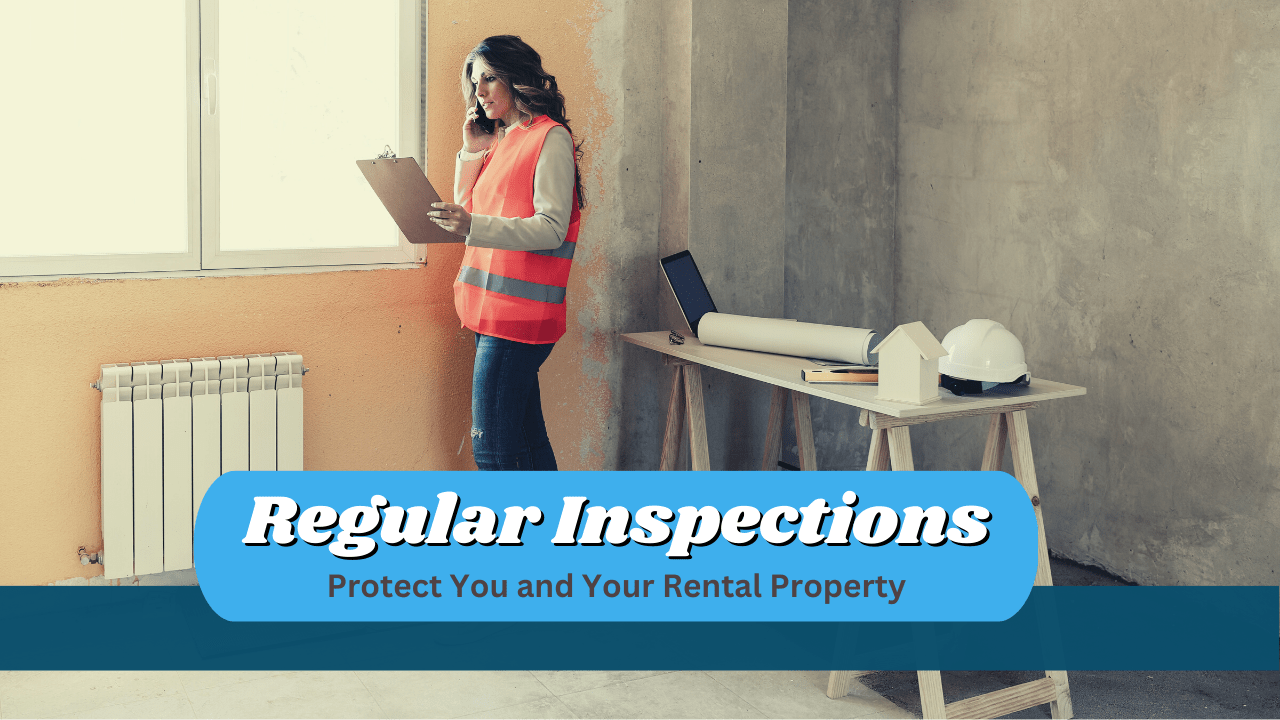
Regular inspections protect you and they protect your
Eureka rental property. You want to make sure you’re getting inside whenever you can.
There are the obvious inspections at move-in and move-out periods.
We also recommend you try to get inside and conduct a maintenance inspection at least once a year, while your property is occupied. As long as you list this intention in the lease agreement and give your tenants plenty of notice, you can get inside your property while complying with California’s strict laws and tenant protections.
Let’s talk about why regular inspections are so important.
Documenting the Condition of Your Eureka Rental Property
One of the most important reasons to conduct inspections is that they document the condition of your
investment property.
Here’s why and how that matters.
Move-in inspections are an essential way to document the condition of your property before a tenant takes possession of it.
Why does this matter?
Because you expect to get the property returned to you in a similar condition, minus the expected wear and tear.
A thorough and well-documented move-in inspection will provide you with guidance at the end of the lease term, when you’re trying to decide how to handle the security deposit return. You’ll be able to see what your property looked like before the tenancy, and whether any damage was done or changes were made during the tenancy.
This inspection is also important because it allows your tenants to agree to the condition of their rental home. After you’ve completed your inspection and made any necessary notes or repairs, leave the condition report with your tenants for a few days. This will give them an opportunity to note anything that isn’t quite right. It protects them and gives you a signed agreement that the home is in good condition and not damaged at the point of move-in.
At the end of the lease term, you’ll inspect again. After tenants have moved out of the property, you’ll go inside and make notes about how it looks. You’ll take pictures. You’ll compare the current condition of your home to the previous inspection report you created before the tenants moved in.
You’ll document the condition of your home after the tenancy.
This will help you determine whether you’re returning all of the security deposit, some of the security deposit, or none of the security deposit.
It also provides you with the documented proof you need. This is important. If a tenant disputes something you’ve charged to their deposit and you’re steadfast in your reasons for making that deduction, your tenants could take you to court. You don’t want to stand in front of a judge without a detailed and accurate move-out inspection report. This is your evidence.
In California, it’s legally required that you offer your tenants a pre-move out inspection. This is their opportunity to walk through the property with you and get an idea of what kinds of deductions they may face based on what you find while inspecting the home.
It’s meant to be a tenant protection, but this actually benefits you and protects your property as well. Here’s how:
- You get an idea of how much work will need to be done to turn the property over and prepare it for the next tenant.
- You reduce the likelihood that there will be disputes over the security deposit because you’re telling tenants what you expect you may deduct.
- You give your tenants a chance to return the property to the condition you expect it to be in.
Not every tenant will accept your offer of a pre-move out inspection, but make sure you offer it.
Drive-By Inspections Keep Eyes on the Property
Consider driving by your rental property once in a while. You don’t want to do it so frequently that it seems creepy or invasive, but every month or every six weeks, just drive through the neighborhood. You can make sure that everything looks normal at your building or your home. If something looks off, it’s a good opportunity to get in touch with the tenant. For example, if you’re a pet-free rental property and you see two Pit Bulls chained up in the front yard, you’ll likely have some questions.
Inspecting Occupied Eureka Rental Homes
Give your tenants a lot of notice and invite them to be present while you’re walking through the home. This presents another opportunity: you get some face to face time with your residents to ensure they’re satisfied with the home.
Look for the usual maintenance concerns; leaks under sinks and loose floorboards or handrails. Check the smoke and carbon monoxide alarms. Look at doors and windows to make sure they open, close, and lock properly.
Avoiding surprise and emergency maintenance issues is important. Getting inside the home to take a look around will help you be more preventative and responsive with maintenance.
If you’d like some help setting up a schedule for inspections or putting together a checklist that will help you know what you’re looking for, please
contact us at Rentor. We proudly stand behind our reputation as a locally preferred property management company in Eureka and surrounding areas in Humboldt County.