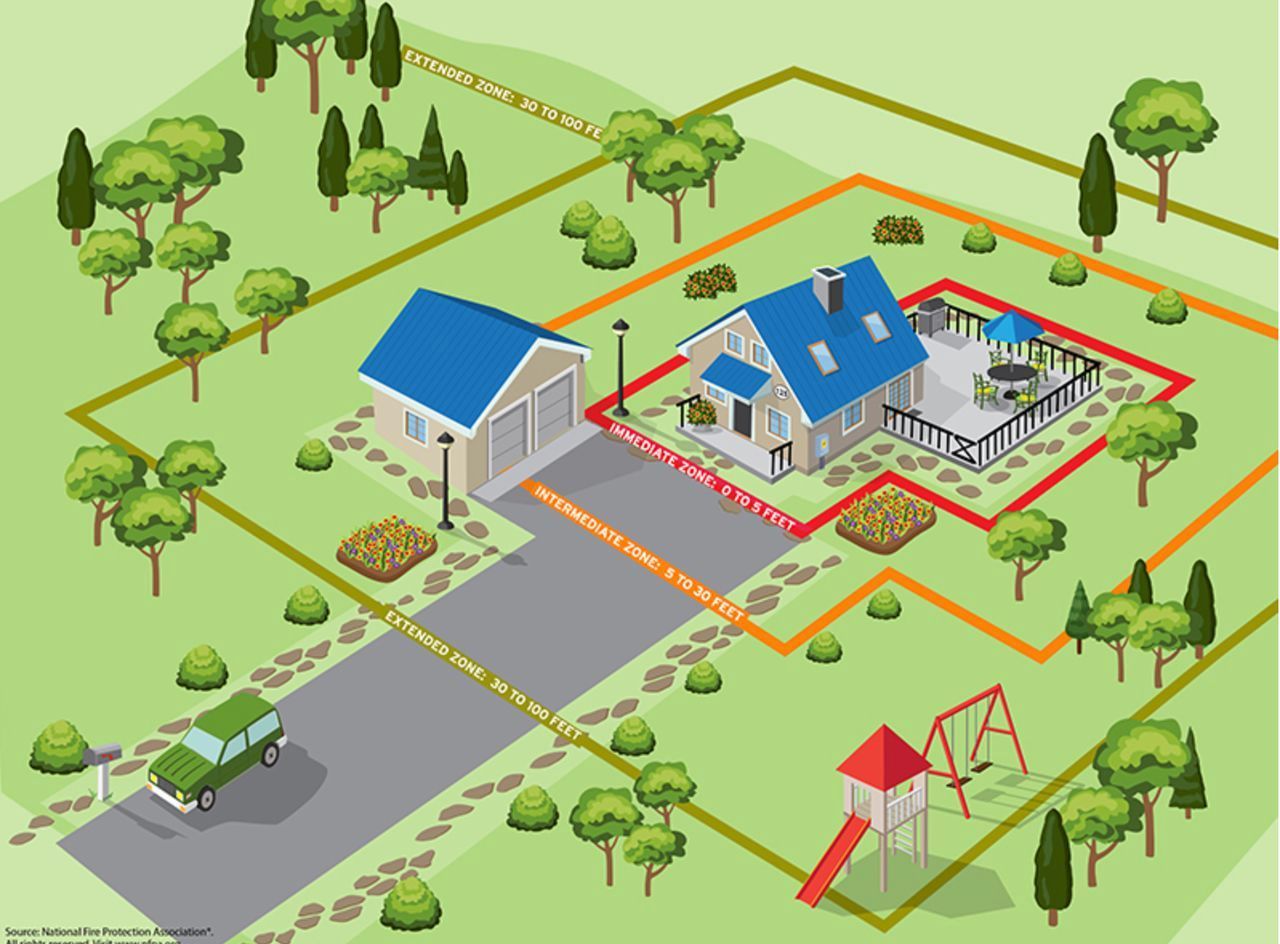
California’s wildfire landscape is shifting, and state leadership is introducing new tools to protect homes, lives, and communities. Following recent devastating fire seasons, the state has turned its focus toward a critical defense concept known as Zone 0—the first five feet directly surrounding a structure.
Whether you are a current homeowner looking to protect your property or a buyer/seller preparing for a real estate transaction, understanding these shifting regulations is vital. However, because these rules cross into complex legal disclosures and fluctuating fire science metrics, our company does not provide legal, or fire compliance advice.
Below, we break down what is currently active, what is still pending, and how you can independently verify your property’s status.
Current Status: Are These Laws Active Right Now?
The short answer is yes and no, depending entirely on whether you are looking at real estate transaction disclosures or physical landscaping mandates.
1. Real Estate Disclosure Laws (AB 38) - CURRENTLY ACTIVE
The statutory disclosure requirements tied directly to property transfers are fully operational.
- The Trigger: Since July 1, 2021, any seller of a 1-to-4 unit residential property, condominium, or manufactured home located in a High or Very High Fire Hazard Severity Zone must comply with Assembly Bill 38 (AB 38).
- The Process: Sellers must deliver the Fire Hardening and Defensible Space Advisory, Disclosure, and Addendum (C.A.R. Form FHDS).
- The Flexibility: AB 38 does not necessarily require a seller to obtain a compliance certificate before closing. Instead, the law allows the buyer and seller to agree that the buyer will assume the responsibility to bring the property into compliance within one year after closing escrow.
2. Physical 5-Foot Zone 0 Regulations - PENDING & ROLLING OUT
The granular, physical property mandates regarding what can and cannot be placed within 5 feet of a home are still pending and subject to change. The strict landscaping rules detailed below represent draft language currently being reviewed by the California Board of Forestry and Fire Protection.
The standard is designed to roll out in distinct phases:
- New Construction: Requirements will apply immediately upon the official, formal adoption of the final regulations.
- Existing Homes: The draft rules establish a rolling, 3-to-5-year phased timeline from the official effective date. The state’s focus is on prioritizing homeowner education and outreach over immediate penalties, giving local fire jurisdictions the flexibility to align enforcement dates with community needs.
What the Proposed Zone 0 Regulations Look Like (Draft Stage)
The primary goal of Zone 0 is to prevent wind-blown embers from landing at the base of a structure’s walls, under decks, or in eaves and igniting the home. Under the current draft framework, a property would need to implement upgrades in two distinct phases:
Phase 1: Combustible Materials (Targeted within 3 Years of Effective Date)
- Debris Removal: Complete removal of combustible mulches, bark, wood chips, stored firewood, fallen leaves, and pine needles from the ground within the 5-foot perimeter, as well as keeping roofs and rain gutters entirely clear.
- Tree Maintenance: Trees are permitted within Zone 0, but branches must be trimmed 5 feet above roofs, kept completely clear of eaves, and remain 10 feet away from chimneys. Lower "ladder fuels" must be limbed from the bottom 6 feet for large trees.
- Allowable Vegetation: Low, well-maintained ground covers (under 3 inches tall) and small, spaced groupings of non-woody herbaceous plants (like bulbs, succulents, and annuals) are permitted outside of strict under-eave buffers.
Phase 2: Structural Adjustments (Targeted within 5 Years of Effective Date)
- The "Safety Zone": Creation of a strict, vegetation-free buffer zone directly next to the home. This zone must be a minimum of 1 foot from walls (or extend out to the eave's drip line), 2 feet from windows and vents, and 5 feet from attached decks, stairs, or pergolas.
- Fences and Gates: No new combustible fences are allowed in Zone 0. Any fence or gate attached to a structure must feature a 5-foot non-combustible span (such as a metal gate) right at the point of attachment to prevent fire from traveling directly to the house.
- Sheds: Any outbuildings or sheds located within the 5-foot boundary must feature entirely non-combustible exterior walls and roofs.
⚠️ Important Disclaimer: Verify Independently
The information provided in this post is for general educational purposes only. Defensible space definitions, mapping boundaries, and transaction requirements can vary drastically by city, county, and local vegetation management ordinances. Our company is not an authorized fire inspector, regulatory agency, or legal counsel. We explicitly limit our liability and do not warrant the accuracy of this summary for your specific property transaction. All parties must perform their own independent investigations.
Tools & Resources to Investigate Further
Because fire regulations are highly localized, we urge you to use the following official online resources to research your property’s exact requirements, check active fire hazard severity maps, and track the status of Zone 0:
- Check Your Fire Hazard Zone: Use the official state mapping tool to see if your home sits in a high or very high fire hazard severity zone.
- CAL FIRE Fire Hazard Severity Zone Viewer: https://egis.fire.ca.gov/FHSZ/
- Review General Defensible Space Rules: Learn more about existing requirements for Zone 1 (0–30 feet) and Zone 2 (30–100 feet).
- CAL FIRE Ready for Wildfire Guide: https://www.readyforwildfire.org/
- Track the Zone 0 Rulemaking Process: Stay updated on public workshops, submit public comments, and see when draft text becomes active law.
- California Board of Forestry and Fire Protection: Track updates via their main portal or submit inquiries to PublicComments@bof.ca.gov.
- Investigate Insurance & Preparedness Support: Learn about navigating homeowner's insurance requirements, home hardening certifications, and community toolkits.
- United Policyholders: A nonprofit dedicated to helping consumers maintain insurance coverage: https://uphelp.org/
- WRAP Playlist on YouTube: Watch the Wildfire Risk Reduction Asset Protection working group meetings for localized case studies and expert panels: United Policyholders WRAP Playlist
For definitive guidance on real estate transaction liabilities, always consult a qualified real estate attorney. For physical structural compliance inspections, contact your local fire marshal or your regional CAL FIRE station.